

Good Cycles is the second organisation to receive a loan through the Social Enterprise Loan Fund. Beyond working capital, the experience has brought a new level of clarity to the social enterprise’s business model, priorities and long-term future.
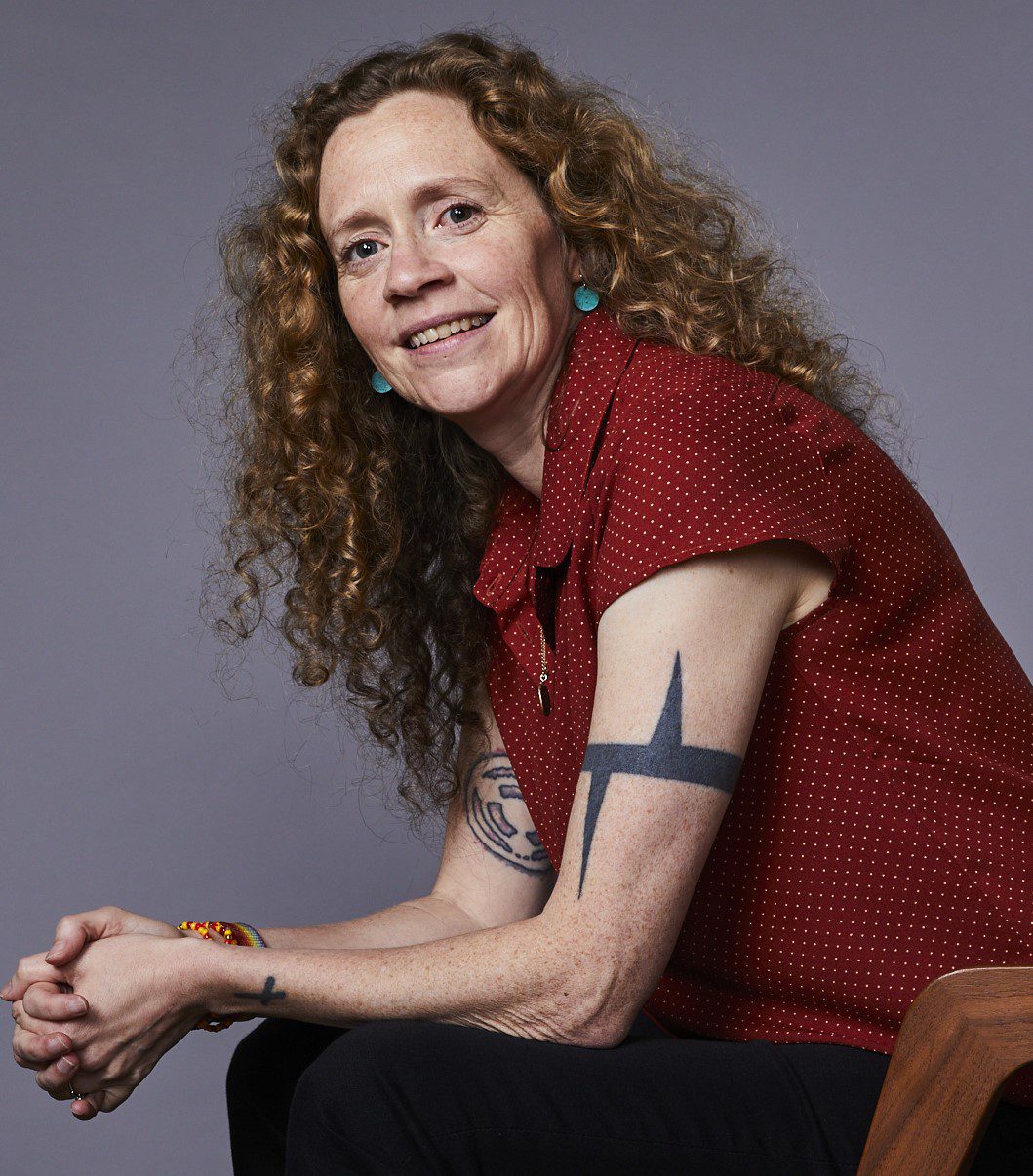
For more than a decade, Good Cycles has quietly built a reputation as one of Melbourne’s mainstays of the social enterprise scene. “We’re a job-focused social enterprise,” says CEO Kirra Johnson. “Our purpose is to create jobs for young people who have experienced barriers to employment.”
Since it began almost 12 years ago, Good Cycles has supported more than 750 young people into work through a model that has evolved with the organisation itself. What started as pre-employment training is now a job-first approach, with young people employed directly in the business and supported by youth workers using a wrap-around coaching model.
That work sits alongside a growing commercial operation. Good Cycles now runs four divisions, including bike retail, labour hire, landscaping and gardening, and bike-based logistics. The latter two are increasingly central to the organisation’s future. Large-scale commercial gardening contracts and bike-based logistics for waste, maintenance and last-mile delivery have opened new markets while staying true to the organisation’s environmental and job creation ethos.
It was this next phase of growth that led Good Cycles to the Social Enterprise Loan Fund (SELF). The $250,000 loan secured through the fund is designed to provide working capital, but its influence has gone well beyond the balance sheet.
“The business discipline of going through the process of negotiating a loan like this has actually been really good for us,” Kirra says. “It’s helped me to understand our business better. It’s helped me to understand how we use finance better.”
The SELF was established to address a long-standing problem for social enterprises in Australia - access to capital. While many organisations rely on philanthropy, funding cycles don’t always align with moments of growth. Commercial finance, meanwhile, is often too expensive or out of reach due to a lack of security. The SELF was designed to change that, providing flexible, low-cost finance to jobs-focused social enterprises at the right time for the organisation.
For Good Cycles, that distinction mattered. Unlike a grant, a loan demanded a clearer view of the future.
“You’ve also got to think about how your business is going to perform over a number of years so that you know you can repay the loan,” Kirra says. “It’s a different dynamic.”

That dynamic forced sharper thinking about what parts of the business generate both revenue and impact. After a period of rapid growth and diversification, the organisation has refocused.
“We’ve refocused the business. We have a better idea of what works for us from a commercial and an impact perspective,” Kirra says. “The SELF loan is helping us to grow those parts of the business that are giving us the best commercial outcomes and the most impact.”
The process has also highlighted the value of loans as part of a broader funding mix.
“We need finance like any other business as we grow,” Kirra says. “Grants are there, but we need different types of financing for different purposes.”
Crucially, the learning has not been one-sided. While there is deep expertise across White Box and the Investment Committee, the loan scenarios for social enterprises require a more nuanced assessment, given they challenge traditional credit metrics.
“We’re all learning,” Kirra says. “The SELF team is learning too.” She believes the value of the fund extends beyond individual deals. “I’m really proud that Good Cycles has been part of that process,” she says. “I hope the effect is more than just what that loan has been able to do for us, but what it’s been able to do more broadly for the sector through what we’ve all learned.”
With the loan in place, Good Cycles is entering what Kirra describes as an exciting, if still demanding, phase. “Any business needs to invest in order to grow,” she says. “Having that investment means that we can take on the opportunities that we’ve got.”
For an organisation built on the belief that business is a means to social impact, the clarity gained through SELF may prove just as valuable as the capital itself.
To learn more about the SELF, loan terms and eligibility, visit the SELF page of the White Box website.